
TRAVEL TO EXITS
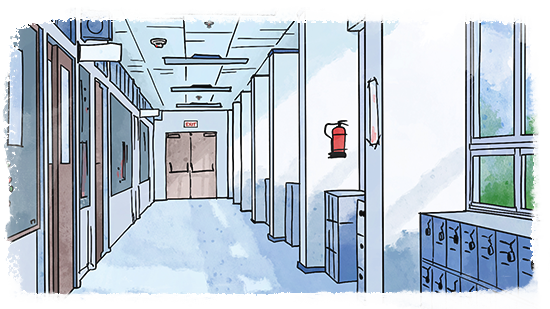
In this series, we focus on how occupants move through a building to reach an exit and why those limits matter. We explain and compare travel distance, exit access travel distance, common path of travel, and dead-end corridors, and show how each one affects building layout and code compliance. We then apply these concepts through real project examples and measurement exercises, helping learners look at and evaluate egress paths across a range of building conditions.
Our objectives include:
- Understand the differences between travel distance, exit access travel distance, common path of travel, and dead-end corridors.
- Recognize how exit access paths are arranged within a building.
- Be capable of measuring and evaluating travel distance, common path, and dead ends across different project situations.
LS187 - 2026 - 1.0 HOUR
MODULES
MEET THE INSTRUCTORS
Steven Barrett, PE

Our goal is to improve fire protection practices worldwide. We promote the industry by creating helpful tools and resources, and by bringing together industry professionals to share their expertise. MeyerFire, LLC is a NICET Recognized Training Provider and an International Code Council Preferred Education Provider.

Copyright MeyerFire, LLC © 2026
HELP US IMPROVE
Would you mind taking 3 minutes to answer 10 short questions on your PE Prep experience?
PE Exam Feedback
Understanding Use & Occupancy
LS101 | 1.5 Hours
Introduction to Codes & Standards
LS001 | 1.5 Hours
Types of Fire Alarm Systems
FA102 | 1.0 Hour

Layout of Control Equipment
FA111 | 1.0 Hour
Layout of Pull Stations
FA112 | 1.0 Hour
Smoke Detection Coverage
FA113 | 1.0 Hour
Layout of Other Initiation Devices
FA115 | 1.5 Hours
Layout for Visual Notification
FA121 | 1.0 Hours
Layout for Audibility & Intelligibility
FA122 | 1.5 Hours
Introduction to Sprinkler & Standpipes
FX001 | 1.0 Hour
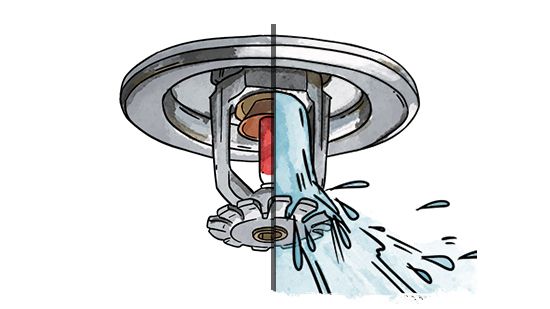
Standards of Sprinkler Design
FX101 | 1.0 Hour

Standards of Standpipe Systems
FX102 | 1.0 Hour
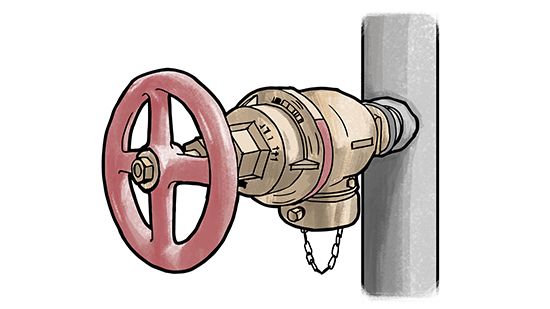
System Types & Layouts
FX120 | 1.5 Hours
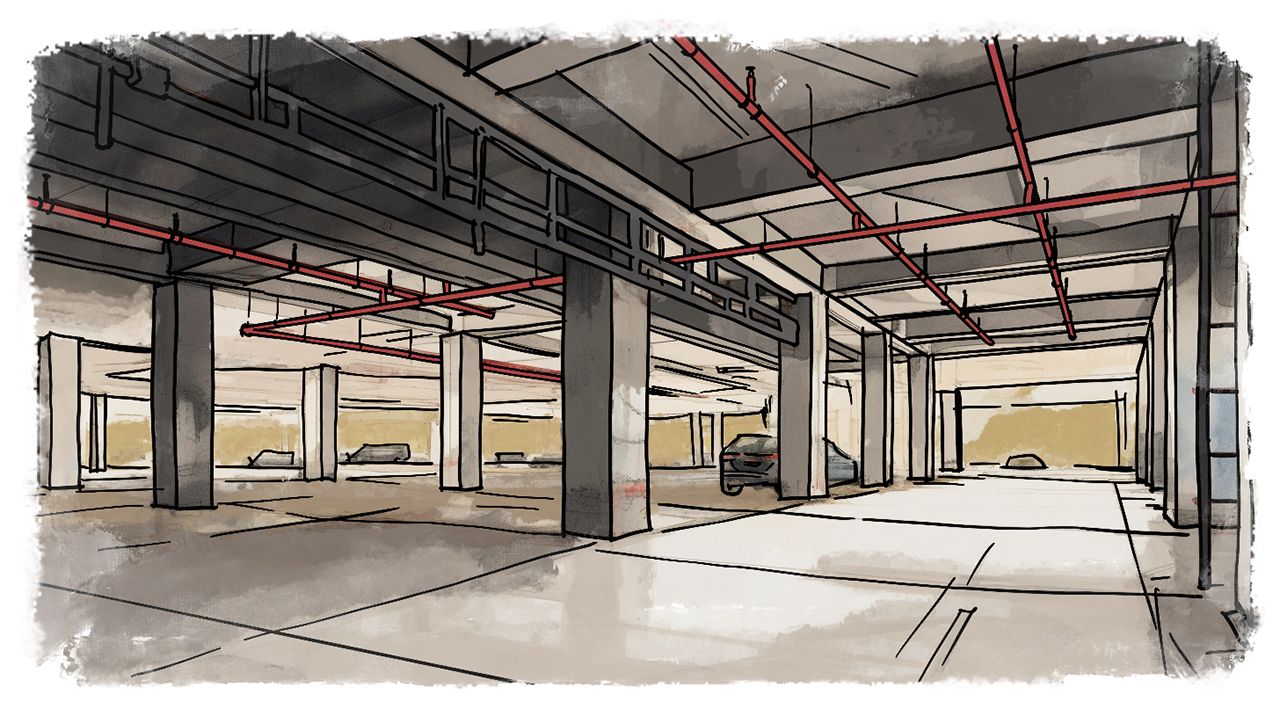
Flow Tests
FX130 | 1.5 Hours
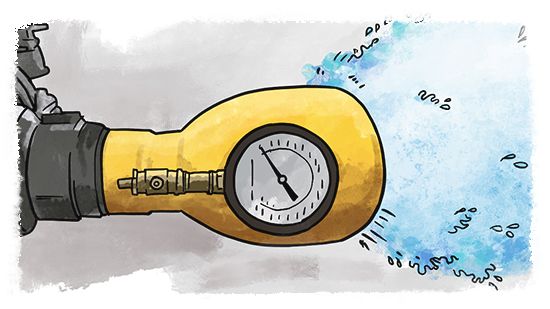
Water Supply Evaluation
FX131 | 1.5 Hours
Understanding Obstructed Construction
FX153 | 1.5 Hours
Understanding Unobstructed Construction
FX154 | 1.0 Hour
Layout for Standard Spray Sprinklers
FX173 | 3.0 Hours
The Sprinkler Layout Process
FX174 | 3.0 Hours
Effective Use of Codes & Standards
LS111 | 1.0 Hour
Construction Documents, Part I
DX102 | 1.0 Hour

Types of Analysis
PE101 | 3.5 Hours
Information for Analysis
PE102 | 4.5 Hours
Fire Dynamics
PE103 | 3.5 Hours
Water-Based Fire Suppression
PE104 | 3.0 Hours
Special Hazard Systems
PE105 | 1.5 Hours
Fire Alarm Systems
PE106 | 1.5 Hours
Smoke Control
PE107 | 1.5 Hours
Explosion Prevention
PE108 | 1.0 Hour
Passive Building Systems
PE109 | 1.5 Hours
Means of Egress
PE110 | 1.5 Hours
Human Behavior
PE111 | 1.0 Hour
PE Prep Series Weeks 1-4
PE201 | 2.0 Hours
PE Prep Series Weeks 5-8
PE202 | 2.0 Hours
PE Prep Series Weeks 9-12
PE203 | 2.0 Hours
PE Prep Series Weeks 13-16
PE204 | 2.0 Hours
PE Prep Series Weeks 17-20
PE205 | 2.0 Hours
Know a Student?
Help them get connected with the industry!
https://www.meyerfire.com/blog/how-to-break-into-the-fire-protection-industry